How to choose good wine without knowing about wine (without getting fleeced)
You don't need to know about wine to get it right: you need to know what you like and pull that thread. The honest method for choosing well and not getting fleeced.
25 July 2026
We’ve all lived the scene: standing in front of a wall of bottles, someone waiting on you, and that little voice going “no idea, grab one that looks good”. And there’s the trap, because “looks good” is exactly what the person who designed the label was going for. It’s happened to me a thousand times, and over the years I worked out something I wish someone had told me earlier: you don’t need to know about wine to choose well. You really don’t.
What you need is something else, simpler and more honest. Here’s the whole thing, no smoke.
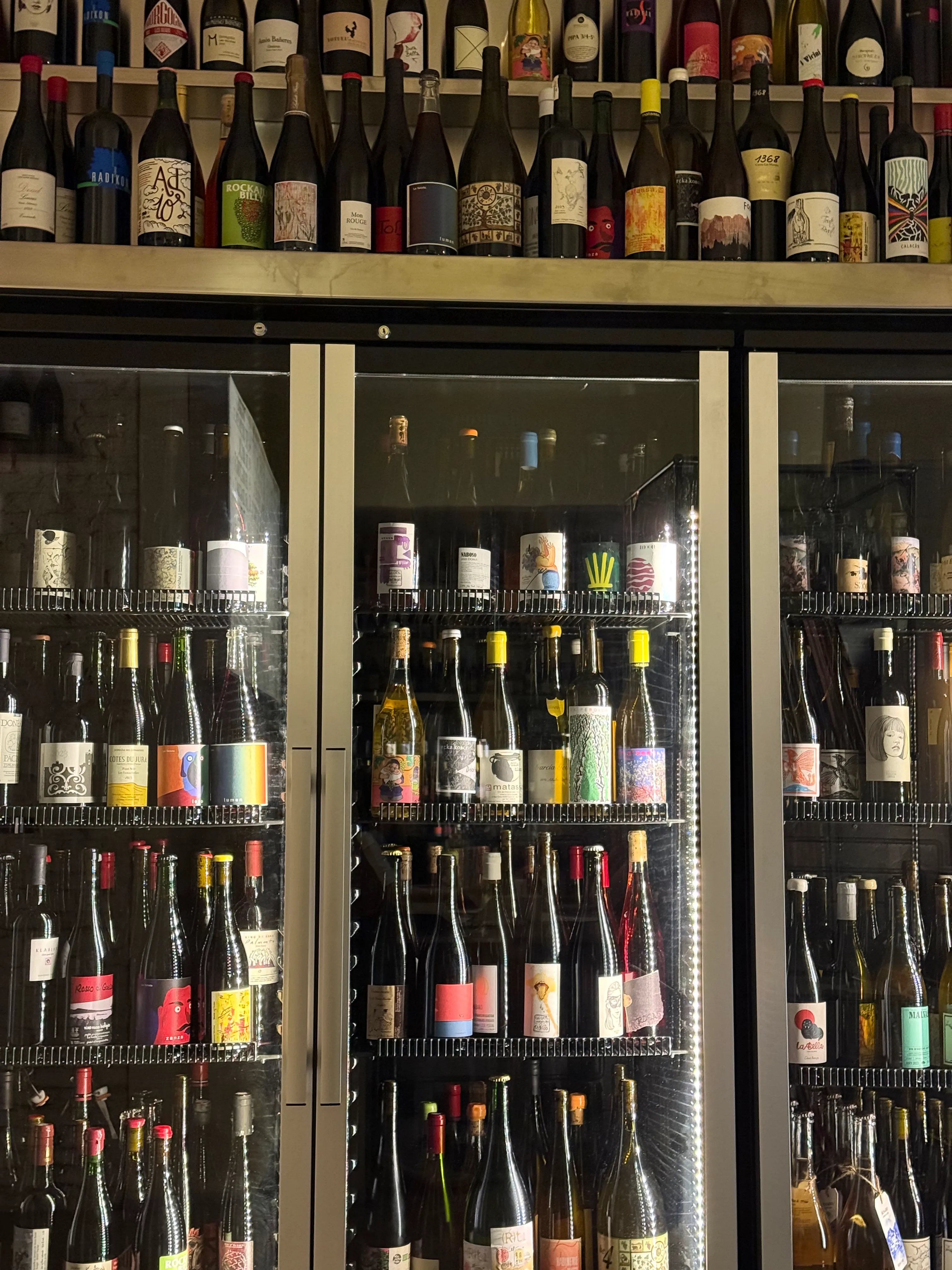
Can you choose a good wine without knowing about wine?
Yes, and it’s the normal way. Nobody is born knowing, and the vast majority of people who drink well couldn’t tell you what a tannin is. You don’t need to study: you need to know what you like and learn to pull that thread. Everything else (the tasting notes, the scores, the vocabulary) comes later, or it doesn’t, and that’s fine too.
The mistake is trying to pick “the best wine” in the abstract. There’s no such thing. There’s the wine that you’ll enjoy, and that one you can actually track down.
Pull the thread of what you already like
This is the whole trick, and it’s almost daft in how simple it is: whenever you enjoy something, clock why, and pull from there.
- Liked a grape? Go and find more of it. If a garnacha went down well, try other garnachas from other areas and watch how it shifts. If you fell for a Volcanic Malvasía, you’ve got half of Lanzarote left to explore. Torn between two similar ones? That’s what head-to-heads are for, like Albariño vs Godello.
- Liked a region? Explore it properly before jumping to another. Lanzarote, Rioja, Bierzo, whatever it is. A single area can keep you busy for months, and every bottle sharpens your palate for the next.
- Liked a winery? Buy another of their wines. If a producer made you happy once, chances are their whole range speaks the same language. It’s one of the safest bets going.
Bit by bit, without even trying, you draw your own map. After a few months you’re no longer choosing blind: you’re choosing on solid ground, because you know where the things you love come from. That’s what “knowing about wine” actually is, and you don’t study it, you drink it.
Find tastemakers who match your palate
You don’t have to do it alone. The other half of the trick is letting the right people advise you, and “right” doesn’t mean the one who knows the most: it means the one who gets your taste right.
Find your tastemakers (a clued-up friend, the person at your local shop, an account you follow) and put them to the test with two or three bottles. If they nail it, gold: you’ve got a human filter who’s read thousands of labels so you don’t have to. If they don’t, move on, however famous they are. The best critic in the world is no use to you if their palate and yours have nothing in common.
Looking for one to break the method in with? Try ours: follow us on Instagram and put us to the test with two or three bottles. If we nail it, you stay; if we don’t, drop us. That’s what the filter is for.
How much should you spend? The £10 warning
Not a fortune, but mind the bottom end. As a rule of thumb, don’t put too much faith in bottles under a tenner. There are honest exceptions (there are, and we’ll go hunting for the best), but on average, below that line, what you’re paying for is less and less wine and more and more of something else: packaging, marketing, margins and a gorgeous label built to “look good” on the shelf.
That’s where they fleece you: not on the expensive wine, but on the cheap one dressed up as something premium. Nudge up a little, into that ten-to-twenty range, and the jump in quality is usually huge for very little money. You don’t need to splash out (it rarely pays off), but haggling over the last few quid is the worst place to save.
In the shop: use the person behind the counter
That’s why a specialist shop beats the supermarket almost every time, and not out of snobbery: it’s because there’s a person there. Use them. It’s far and away the most underrated resource in wine.
Go in with your homework done: “I loved this red here, what have you got that’s similar but a step sideways?”, or “I want a saline white for fish, fifteen quid”. The more specific the taste you hand over, the better the recommendation that comes back. A good shopkeeper won’t flog you the priciest thing: they’ll flog you the one that makes you come back. That’s their business, and it lines up exactly with yours.
In the end, choosing well isn’t about knowing, it’s about paying attention. Notice what you like, pull the thread, surround yourself with people who get it right, and don’t save in the wrong place. Do that and you’ll never freeze in front of the shelf again. And nobody will ever slip you a pretty, empty bottle either.